
Don’t let a shiny kitchen distract you from serious, expensive problems
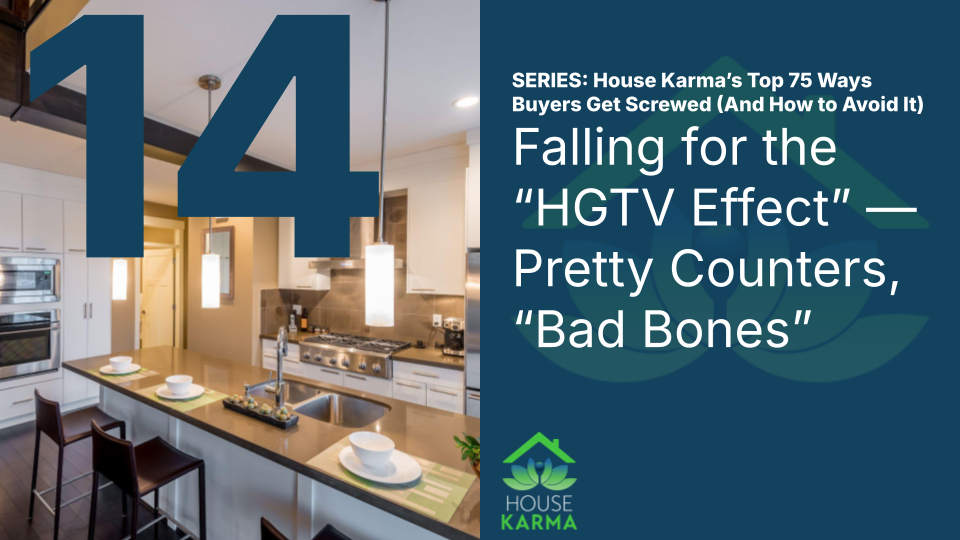
We all love a beautiful house — the kind with bright white cabinets, trendy pendant lights, and a perfectly staged sectional that makes the space feel like it belongs in a magazine.
But here’s the thing you have to remember when buying a home:
What you see on the surface doesn’t always reflect what you’re actually buying.
This is what we call the HGTV Effect — and it’s one of the biggest traps buyers fall into, especially first-time homebuyers (but even experienced ones fall for it too).
Staging Isn’t Reality — It’s Theater
Many homes — especially model homes and flips — are professionally staged. They’re dressed up with just the right furniture, lighting, decor, and flow to make you feel at home. But that’s intentional.
Take a close look and you’ll notice:
- Undersized furniture (makes rooms feel bigger than they really are)
- Mirrors and light tricks to open up tight spaces
- Trendy decor to distract from odd layouts or dated infrastructure
It’s not dishonest — it’s marketing.
But if you don’t know what to look for, you’ll walk in emotionally disarmed… and financially vulnerable.
The $20K Kitchen vs. the $25K Roof
Here’s a common scenario:
You tour a 20-year-old home. The kitchen looks like it belongs on a design blog — new quartz counters, stainless appliances, gold fixtures, perfect lighting. You fall in love.
But here’s what you might miss:
- The HVAC systems are 9 years old — they’re going to fail soon
- The roof is 18 years old — it’ll need replacement in the next year
- The plumbing or electrical hasn’t been touched since 2003
That beautiful kitchen may have cost the seller $20,000…
But the roof and HVAC you didn’t check will cost you $40,000 or more within the year.
The problem? You have to replace the roof and HVAC.
You don’t have to replace the kitchen.
And those mechanical issues won’t wait.
If the air goes out in summer or the roof starts leaking — you’ll have no choice but to pay up, fast.
Cosmetic vs. Critical: Know the Difference
Here’s the simple breakdown:
Cosmetic (you can change later, on your terms):
- Kitchens
- Bathrooms
- Paint
- Flooring
- Lighting
- Landscaping
You can tackle these over time — when the budget allows, when sales pop up, when your schedule works.
Critical (must be fixed now or it breaks your life):
- HVAC
- Roofs
- Water heaters
- Plumbing and electrical systems
- Foundation or drainage problems
These are non-negotiables. If they fail, you’re on the hook — immediately. And the costs are rarely small.
Don’t Let Emotions Blow Up Your Budget
We’ve seen buyers wipe out their savings or max out their credit cards within the first year of ownership — all because they didn’t look past the pretty countertops.
Insurance premiums also go up when you inherit older systems.
Older roofs, outdated wiring, or a lack of wind mitigation can mean hundreds more per year on your insurance bill. And those premiums hit before you even start planning your remodel.
What You Should Look for First
When touring homes, ask yourself:
- How old is the roof? (Ask for documentation.)
- How old are the HVAC systems and water heater?
- Any signs of leaks or patchwork repairs?
- What’s the electrical panel look like? (Is it up to modern code?)
- Are the plumbing lines copper, PVC, or polybutylene?
- Freshly painted? What are they covering up? Leaks, Damage, bad repairs – (Fresh Paint is a huge warning sign)
Focus on structure first, style second.
A solid house with ugly tile is better than a showpiece with crumbling guts.
House Karma’s Advice: Buy Bones, Not Bling
You can always renovate a kitchen — and do it in stages:
- Paint cabinets this year
- Swap counters next year
- Upgrade appliances when there’s a holiday sale
- Add lighting later
But you can’t just “get around” replacing a failing HVAC system.
Or avoid a leaky roof that costs $25,000 out of pocket.
Bottom Line
Don’t buy a fantasy you can’t afford to maintain.
Fall in love with good bones, a smart layout, a safe neighborhood — not the staging or the backsplash.
At House Karma, we’ll show you how to ask the right questions, and protect yourself from making an emotionally expensive mistake.